
We are HIBUR
The Israel desk for family offices.

Hibur means connection. The kind that holds.
We connect family offices to the Middle East’s most compelling innovation and investment opportunities—through relationships that open the right doors.
How we work?
I.
Source
We begin with the family, not the opportunity - making introductions that take years to earn and a moment to lose, and only the ones we'd make to our own.
We understand how your family office thinks, what it values, and where it sees the world heading, and we sit by your side of the table while it gets there.
II.
Vet
Nothing is introduced before it is checked. Emma makes the reference calls that only work in Hebrew and in person: the former investor, the customer, the engineer who left. Beth reads the numbers, the cap table and the terms the way an American investor would. The result is a two-page memo: what the company does, why it matters, what could go wrong, and whether we would put our own money in. If the answer is no, the family hears that too.
III.
Represent
When a family decides to move, we are in the room. We arrange the meetings, sit in the negotiations, translate what is said and what is meant, and hold the family's position when the pace in Israel gets faster than the pace in New York. We work for the family only. We take nothing from the other side of the table, and every fee we earn is disclosed before it is earned.
IV.
Monitor
The work does not end at the wire. Every quarter the family receives an update on each company: what changed, what the next round looks like, where we see risk. Once a year the family visits Israel and meets the founders in person, with us. Most advisors disappear after the check. We are still here, because we live here.

Why now?
$7.6B raised by Israeli tech in H1 2026, in fewer rounds. 66% of it foreign. $846M into defense-tech, space and quantum, close to all of 2025.

Focus
Two partners. One in the family's chair, one inside the ecosystem for thirty years. Buy-side only.
Three areas. All of them where Israel leads, and where a family can still get in early.
We do not cover the market. We cover the parts of it we can vet in person.
II.
Physical AI and AI infrastructureMachines that decide in the field, and the layer that makes it possible: robotics, autonomous systems, sensing, edge compute, chips, and the energy and cooling that data centers need. Israel's engineers came to this from hardware, not from apps, which is why the companies here ship products rather than demos. Infrastructure is where the largest checks are written and where an early position compounds.
Two industries Israel built out of necessity and now exports to the world. Cyber remains the country's largest and most proven category, with the exits American families already know by name. Defense-tech has moved from a niche to one of the most active corners of the market, with founders who solved these problems under pressure and sell into governments faster than their peers abroad. Both are dual-use by nature: the same technology protects a base and a bank.
Defense and cyberSatellites, launch components, earth observation, and the infrastructure that will move computing and manufacturing into orbit. Israel is one of a handful of countries that builds and launches its own satellites, and the commercial layer on top of that capability is young. This is where we have the deepest direct access: the companies, the labs, and the people who decide. In the first half of 2026, defense-tech, space and quantum together raised close to what they raised in all of 2025.
SpaceAbout Us
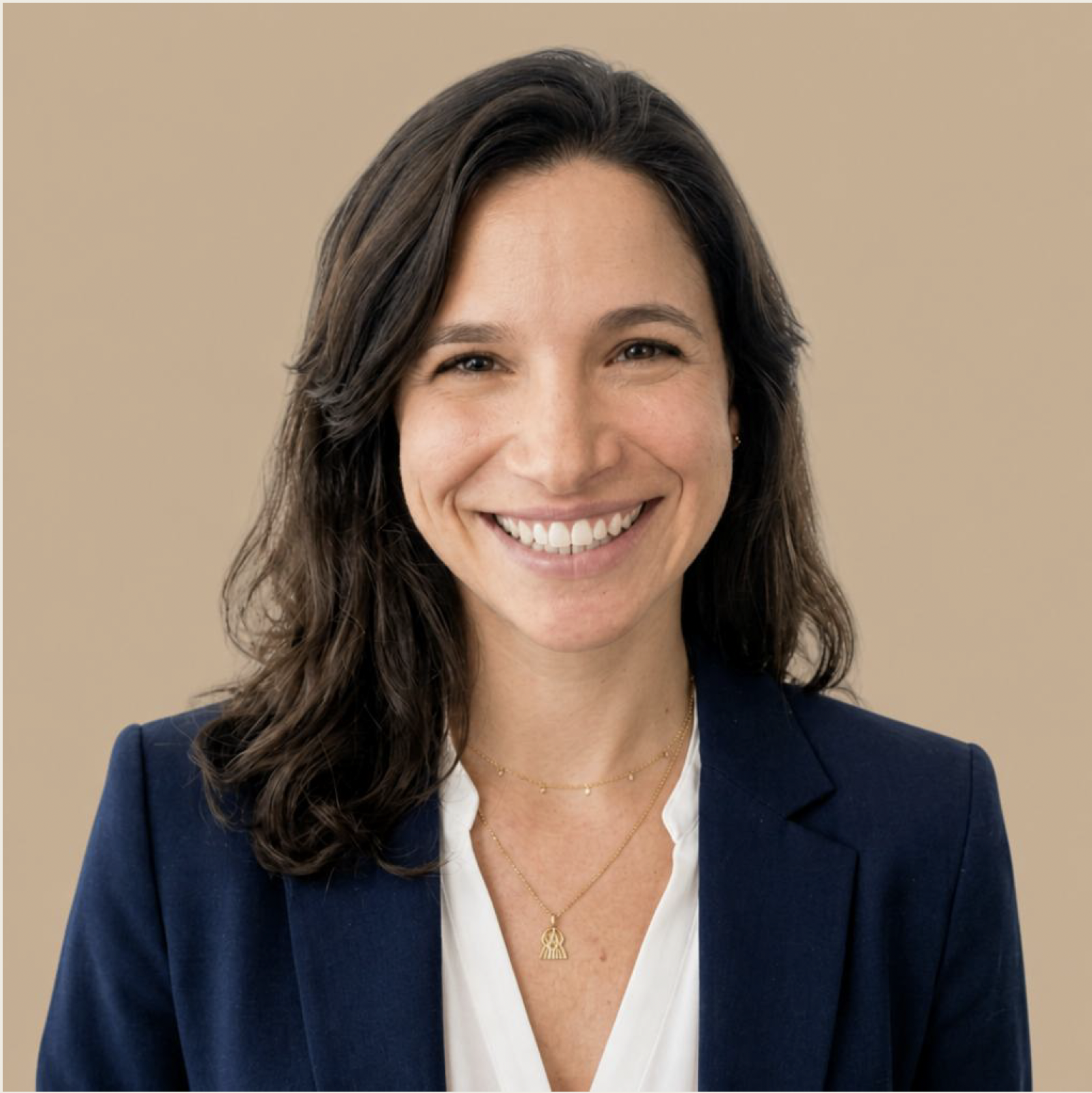
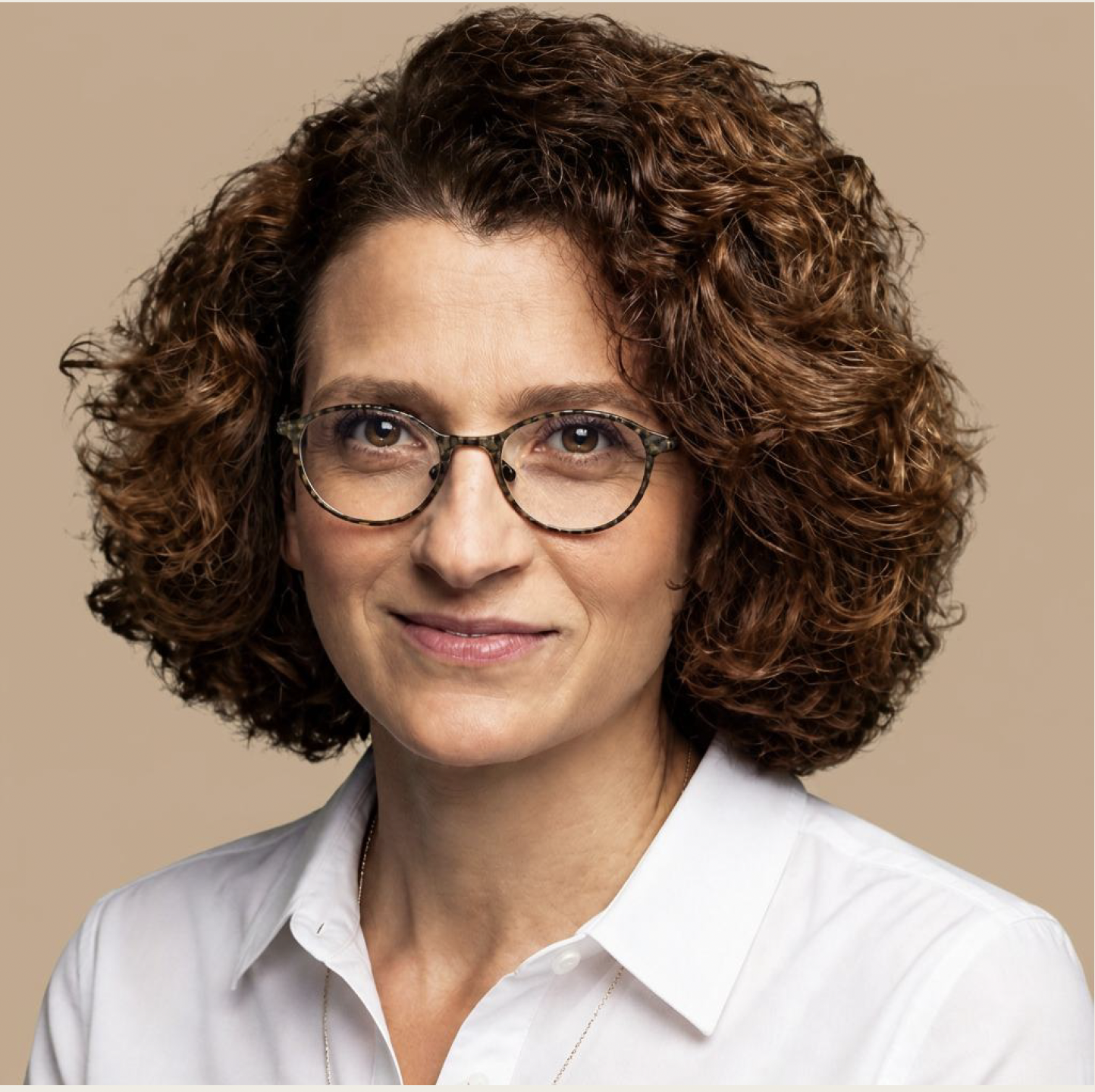
Beth deBeerEmma VardimonEmma Vardimon has spent thirty years inside Israel's innovation ecosystem, close to a decade of it at Start-Up Nation Central, where she ran investments and partnerships for foreign investors entering the market. She is the partner who knows which VC to call and gets the real answer. An alumna of the International Space University's executive program, she leads Hibur's sourcing, reference checks and operating rhythm. Born in France, she holds a B.A. in Political Science and Middle East History from Tel Aviv University.
Beth deBeer works with US family offices from Israel. She sits on the family's side of the table, translating how deals, founders and terms work here into decisions an American investor can act on, and saying no when the numbers do not hold. Her background is in financial advisory and venture investing across the US and Israel. At Hibur she leads representation, structuring and closing. She holds a bachelor's degree from the University of Michigan and a master's degree from Columbia University.
Two partners. One in the family's chair, one inside the ecosystem for thirty years. Buy-side only.
Co-Founder
Co-Founder
Insights
“French had always felt academic to me — useful in theory, but difficult in practice. At Common Tongue, the shift to native-led conversation changed everything. My instructor focused on real phrasing, tone, and context, especially in professional settings.
Within a few months, I was contributing confidently in cross-border meetings instead of relying on prepared notes. The fluency feels natural now — not rehearsed. Common Tongue helped me move from studying the language to actually using it.”
“I stopped translating. I started contributing.”

Channing Lee
Writer
“I started with no background in Portugese. Within weeks of working with a native instructor, I was understanding patterns and responding without translating in my head. The focus on real dialect and natural conversation helped me stop translating in my head and start responding instinctively.”
“With Common Tongue, I went from zero to conversation in weeks.”
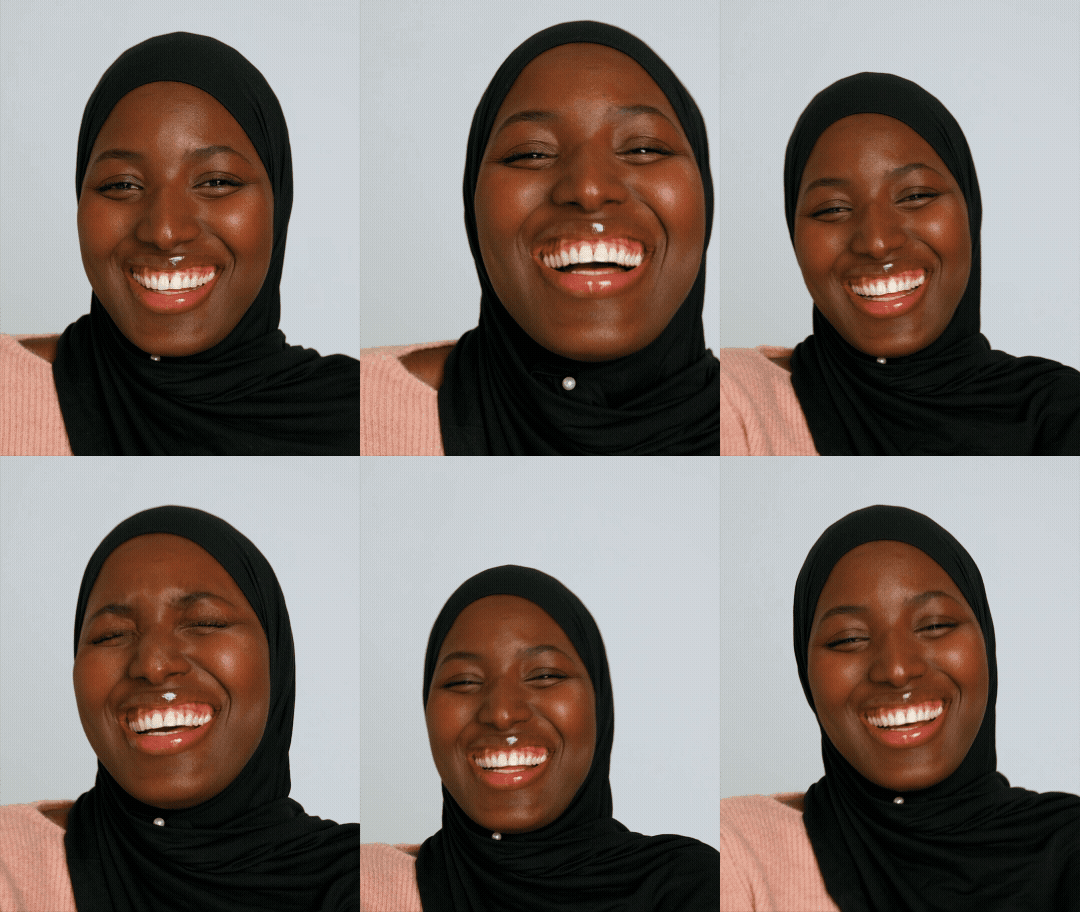
Eleanor Parks
Executive Chef
“I joined Common Tongue because I wanted to connect more deeply during my travels in China. What surprised me most was how quickly I began understanding the rhythm of spoken Mandarin. The immersion style made the language feel intuitive rather than overwhelming.
By the time I arrived, I wasn’t just ordering food — I was having conversations. Here, they teach you how to actually speak, and that makes all the difference.”
“Here they you how people actually speak, and that makes all the difference.”

Sophia L.
Creative Director
“I grew up hearing German at home but never felt confident speaking it myself. Mother Tongue helped me move from textbook German to real conversation.
Working with a native educator helped me understand not just vocabulary, but nuance — tone, expression, and the meaning behind certain phrases. It’s given me the confidence to participate in conversations with my family in a way I never could before.”
“Mother Tongue helped me move from textbook German to real conversation.
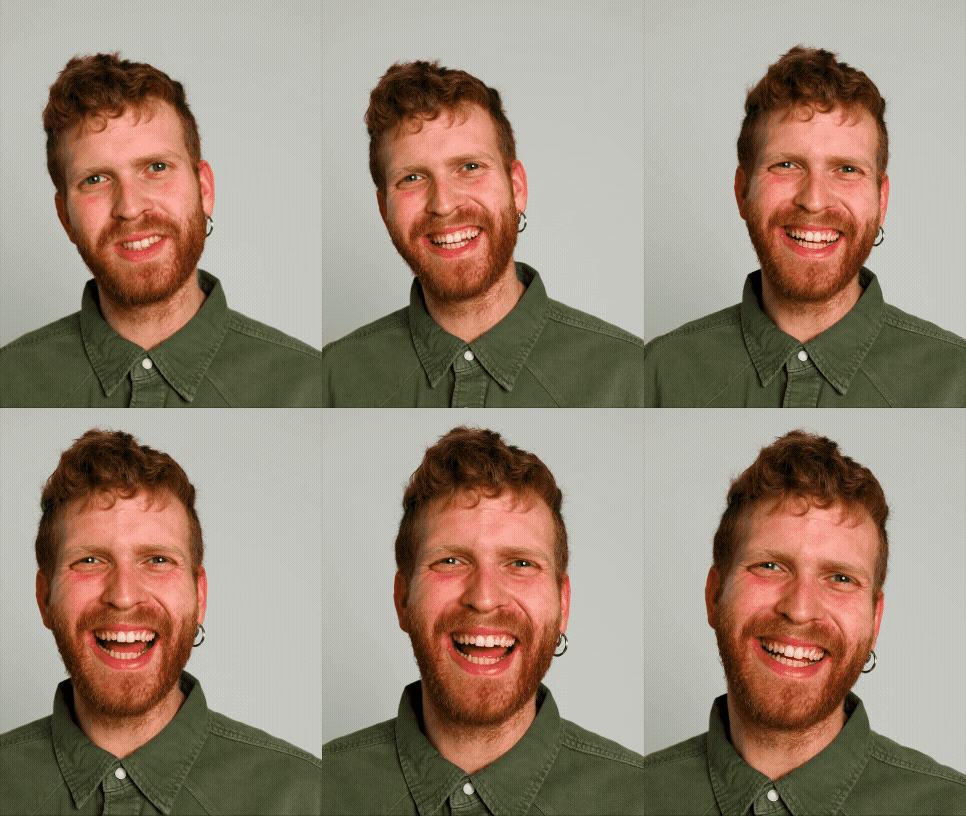
Reese Platt
Product Manager